Infused Product Manufacturers

Accounting for Colorado Infused Product Manufacturers

An Infused Products Manufacturer license making edibles, beverages, tinctures or topicals has a cost structure that looks more like a specialty food producer than a grow — recipes, packaging lines and shelf-stable ingredients — but it still has to be defended under IRC 280E and Colorado's METRC infused-product tracking rules.

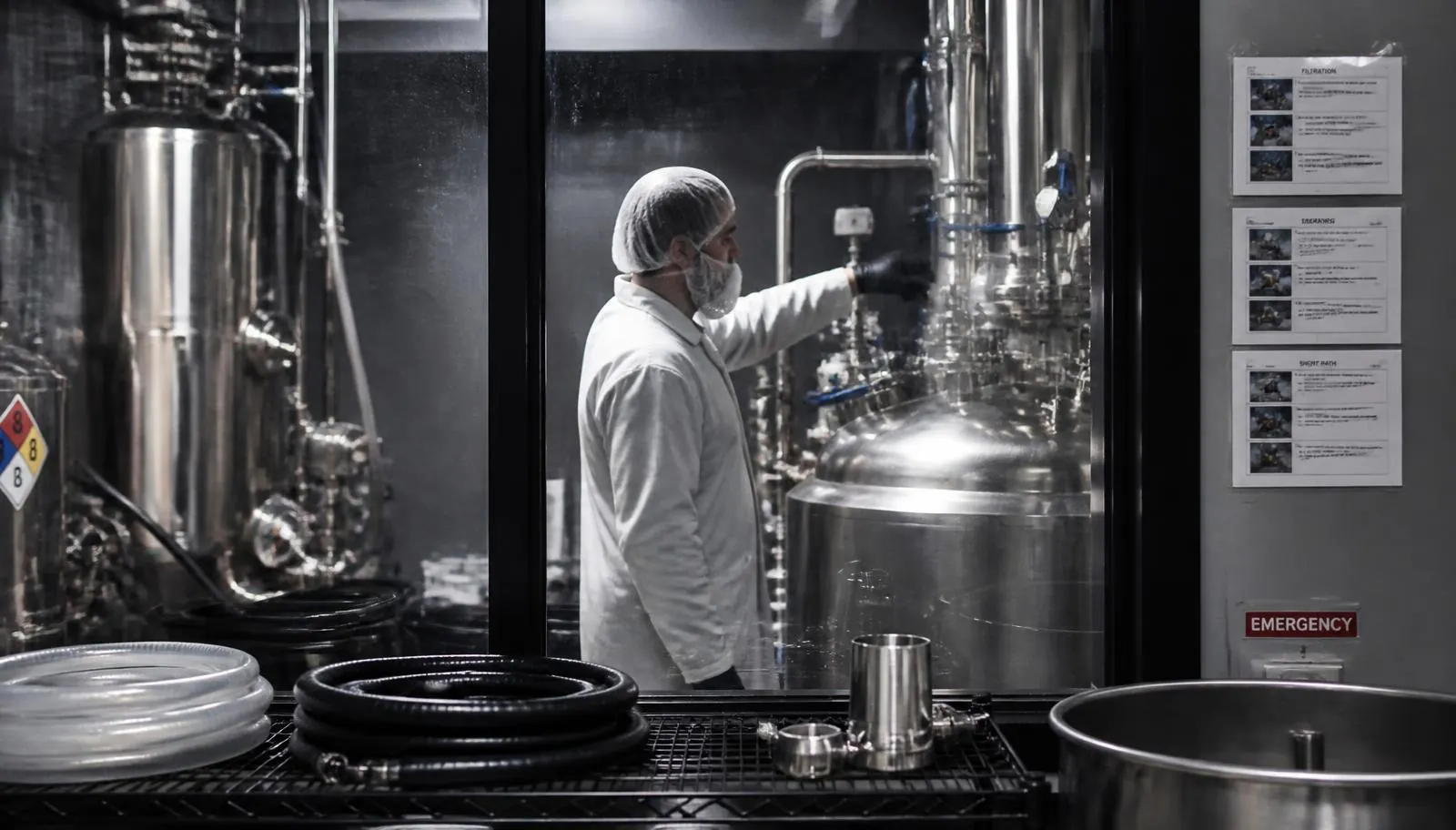
Colorado infused products manufacturing and extraction facility with stainless steel processing equipment behind clean-room glass

Financial challenges specific to this license type

  • Bill-of-materials costing for multi-ingredient recipes

    A gummy or infused beverage recipe combines cannabis distillate or extract with sugar, flavoring, packaging and labor. Each ingredient has its own cost and unit of measure, and the finished-goods cost has to roll all of them up accurately per batch.

  • Dosing consistency and batch testing costs

    Potency testing failures on infused batches — under- or over-dosed product — are common and expensive. Rework, destruction and re-testing costs need a clear accounting treatment rather than being lost in miscellaneous expense.

  • Packaging and labeling compliance costs

    Colorado's child-resistant packaging and labeling requirements for edibles add real per-unit cost that should be built into standard costs, not treated as a period expense that distorts product-level margin.

  • Shelf life, spoilage and shrink on perishable inputs

    Unlike flower, many infused-product ingredients expire. Spoiled inputs and expired finished goods need a documented write-off process that supports both the 280E cost pool and inventory valuation.

How we work with infused product manufacturers

  • Build recipe-level bill-of-materials costing for every SKU, from gummies to beverages
  • Capitalize eligible packaging, labeling and production labor into inventory cost
  • Track potency testing failures, rework and destruction with a defensible write-off methodology
  • Reconcile METRC infused-product batch and conversion records to the cost ledger
  • Manage spoilage and expiration write-offs on perishable ingredients and finished goods
  • Deliver SKU-level margin reporting to guide pricing and product mix decisions

Recipe-level bill-of-materials costing for edibles and beverages

An Infused Products Manufacturer license making gummies, beverages, tinctures, or topicals runs a cost structure that looks more like a specialty food producer than a grow operation. A single gummy recipe combines cannabis distillate or extract with sugar, flavoring, gelatin or pectin, packaging, and production labor — each with its own cost, unit of measure, and supplier — and the finished-goods cost has to roll all of them up accurately per batch, not as a rough blended estimate.

We build bill-of-materials costing at the SKU level so every recipe has a documented standard cost, updated as ingredient prices shift, rather than a finished-goods value that's really just a guess based on last quarter's total spend.

Dosing consistency, rework, and testing failure costs

Under- or over-dosed infused product is one of the more common and expensive testing failures in this license category. When a batch fails potency testing, the resulting rework, destruction, and re-testing costs need a clear accounting treatment — captured and written off deliberately — rather than getting lost inside miscellaneous operating expense where they distort both margin reporting and the 280E cost pool.

This matters more for infused products than for flower, because a failed edible batch typically can't simply be re-sorted like a flower testing failure — it usually means destroying finished goods that already carried packaging, labor, and ingredient cost.

  • SKU-level standard costing updated as ingredient and packaging prices change
  • Documented rework and destruction procedure for dosing and potency failures
  • Spoilage and expiration tracking for perishable ingredients and finished goods

Packaging, labeling, and shelf-life compliance built into cost

Colorado's child-resistant packaging and labeling requirements for edible and infused products add real per-unit cost. When that packaging and labeling cost is treated as a period expense rather than built into standard product cost, SKU-level margin reporting understates the true cost of the product and can lead to underpricing.

Because many infused-product ingredients and some finished goods carry a genuine shelf life, expired or spoiled inventory needs a documented write-off process that supports both accurate inventory valuation and the deductible cost of goods sold under 280E.

Services most relevant to this operator profile

Questions

Infused Product Manufacturers accounting questions

Consultation

Speak with a Cannabis CPA Colorado

Bring your license types, current books and open deadlines. We will tell you what needs to happen first and in what order.