Costing biomass through extraction to finished concentrate
A Marijuana Product Manufacturer license running extraction and concentrate production sits between a cultivation facility and finished retail product, converting biomass measured in pounds into oil, shatter, or distillate measured in an entirely different unit. Without a documented conversion methodology tracking input cost through to output yield, the cost basis assigned to finished concentrate is effectively a guess.
We build batch-level costing that follows a specific input lot — whether purchased biomass or an internal transfer from cultivation — through the extraction process to its finished output, so every gram of concentrate carries a cost that can be traced back to its source.
Capturing solvent and clean-room overhead under IRC 471
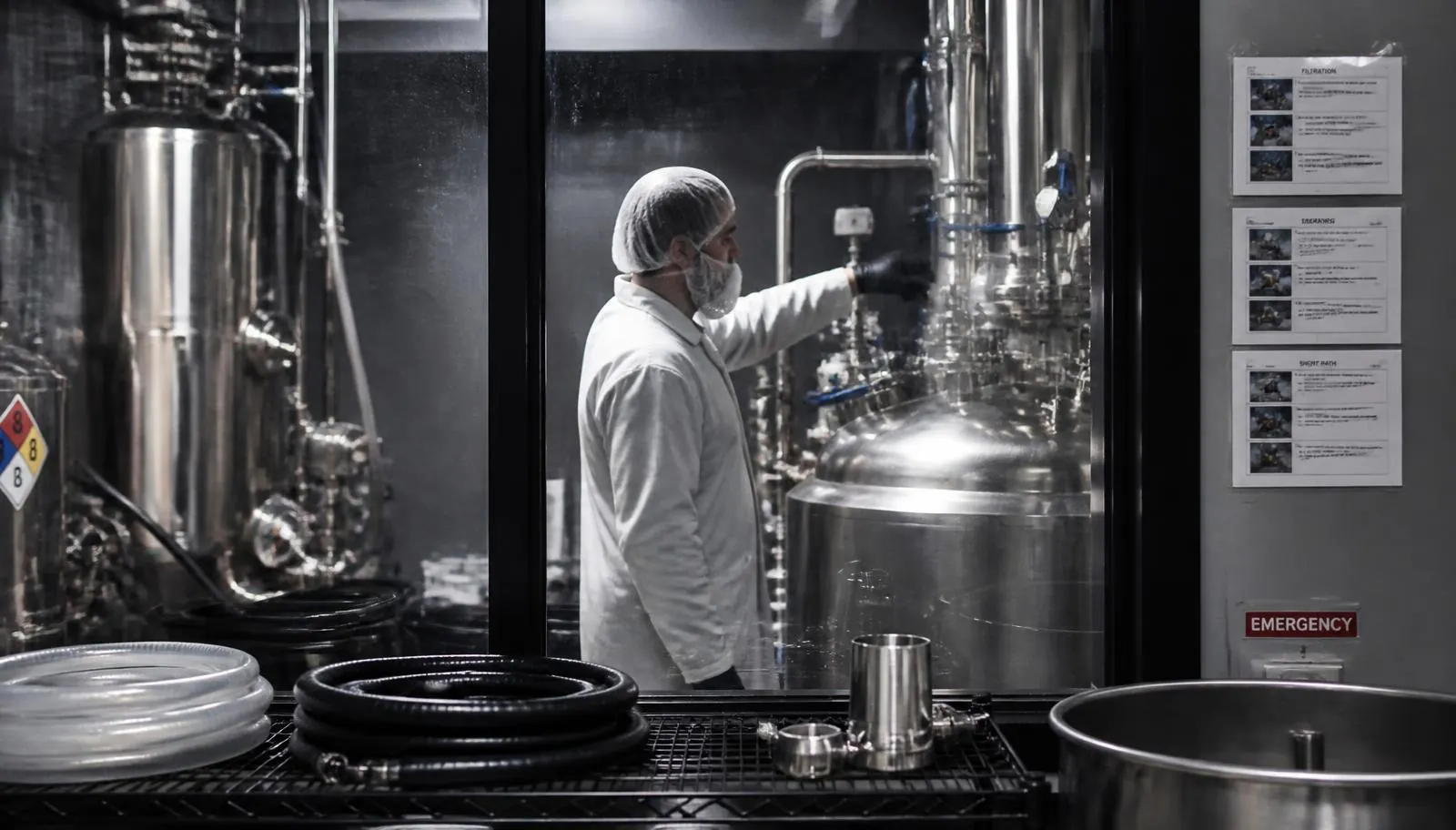
CO2, butane, or ethanol solvent, lab consumables, extraction and purification equipment depreciation, and the overhead of operating a permitted extraction room are all legitimate inventory costs under IRC 471 — but only when they're captured through a costing system, rather than left sitting in general operating expense where 280E disallows them.
This is one of the most commonly missed capitalization opportunities we find when taking over books from a prior bookkeeper: solvent purchases and extraction equipment depreciation recorded as straight operating expense, rather than allocated into cost of goods sold.
- Solvent, consumables, and lab supply cost tracking by extraction run
- Extraction and purification equipment depreciation allocated to production cost
- Documented quality-hold and rework write-off procedure
Accounting for yield loss and failed test batches
Extraction runs that fail potency or contaminant testing, or that come in below target yield, need to be written off with a clear, consistent methodology rather than silently absorbed into the cost of good units. Absorbing failed-batch cost into surviving inventory understates true production cost and distorts margin reporting enough to mislead pricing decisions.
We set up a documented quality-hold and write-off process tied to METRC's testing and destruction records, so failed batches get accounted for accurately and consistently every time.
Matching METRC conversion tracking to the cost roll-forward
Colorado's METRC system requires manufacturers to log conversions from harvest and package inputs into new manufactured product items, with waste and loss recorded separately from good output. That conversion log needs to match the accounting system's cost roll-forward — input cost minus documented waste equals output cost — or the two systems tell different stories about the same production run.