Testing Laboratories

Accounting for Colorado Marijuana Testing Facilities

Licensed Testing Facilities provide potency, pesticide, microbial and heavy-metal screening required before product can reach a retail shelf. Because a lab sells analytical services rather than cannabis itself, its accounting and tax exposure differ meaningfully from a cultivator or dispensary, but the books still need to withstand scrutiny from the MED, lenders and the IRS.

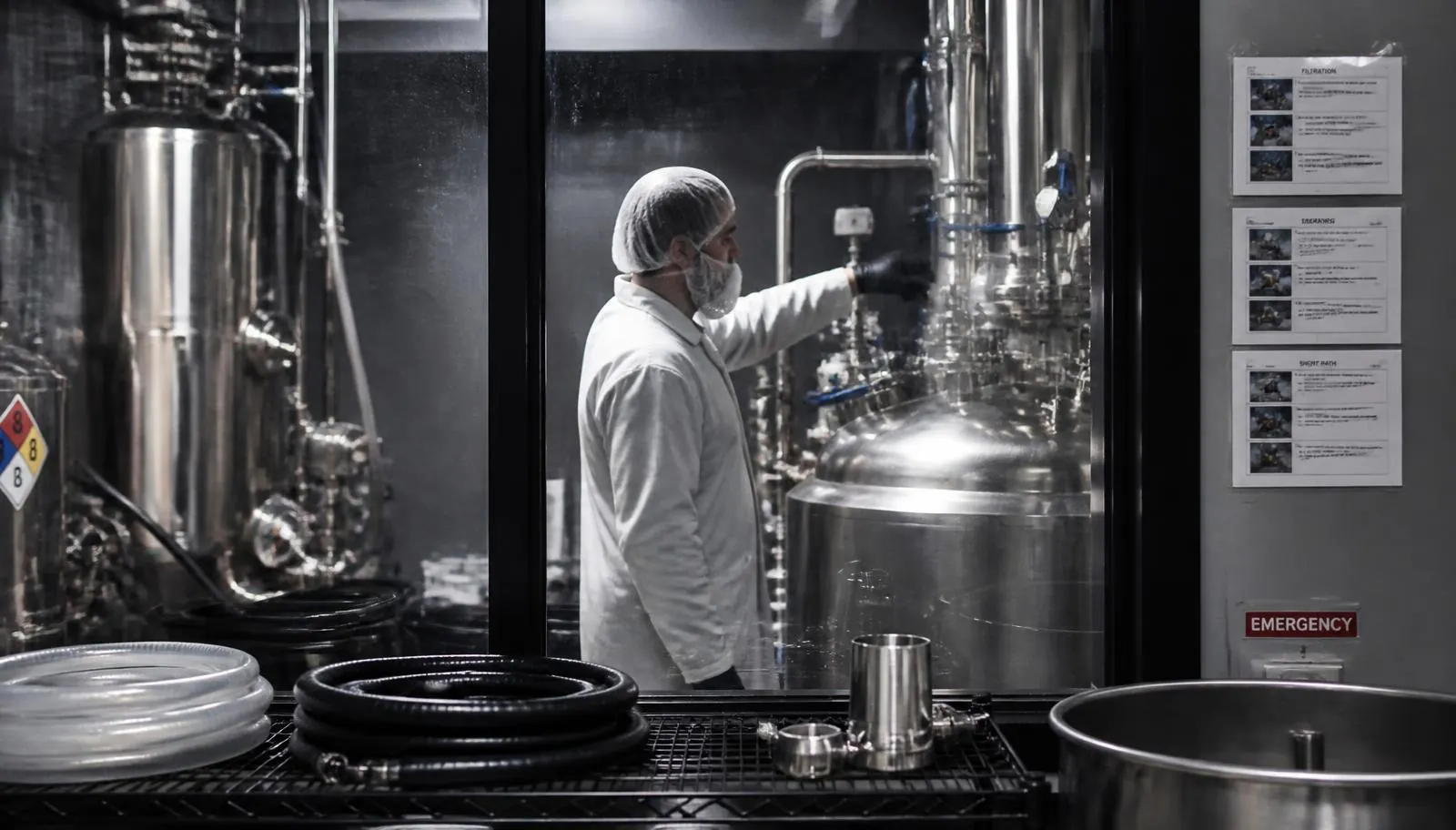
Colorado infused products manufacturing and extraction facility with stainless steel processing equipment behind clean-room glass

Financial challenges specific to this license type

  • Distinguishing analytical service revenue from product sales

    A testing facility's revenue is per-sample analytical fees, not the sale of marijuana. That distinction generally limits 280E exposure to costs directly tied to any accommodation samples the lab handles, but it needs to be documented, not assumed.

  • High fixed-cost lab equipment and calibration expense

    HPLC, GC-MS and other analytical instruments represent significant capital investment with ongoing calibration, certification and maintenance costs. Depreciation schedules and equipment cost allocation drive per-sample pricing and need to be modeled correctly.

  • Sample chain-of-custody and retest cost tracking

    Failed or disputed test results sometimes require retesting or referee sampling. The cost of rework, plus the liability exposure if a result is later challenged, both need clear accounting treatment.

  • Accreditation and compliance overhead

    Maintaining ISO/IEC 17025 accreditation and MED certification involves recurring compliance, proficiency-testing and quality-assurance costs that should be tracked separately from routine lab operating expense for accurate margin analysis.

How we work with testing laboratories

  • Confirm and document the lab's limited 280E exposure based on its service-fee revenue model
  • Build equipment depreciation and calibration cost schedules that inform per-sample pricing
  • Track retest, referee-sample and rework costs separately from standard testing volume
  • Report cost per sample and margin by test type to guide pricing strategy
  • Maintain accounting records that support ISO/IEC 17025 and MED accreditation audits
  • Prepare tax filings that reflect the lab's actual revenue and cost structure, not a cultivator or retailer template

Analytical service revenue, not a marijuana sale

A licensed Testing Facility sells potency, pesticide, microbial, and heavy-metal analysis, not cannabis itself, which puts its accounting and tax exposure on different footing than a cultivator, manufacturer, or dispensary. Revenue is per-sample analytical fees, and that distinction generally limits 280E exposure to costs directly tied to any accommodation or reference samples the lab physically handles — but it's a position that needs documentation, not assumption.

We build the lab's accounting around that service-fee reality from the start, so its financials tell an accurate story to the MED, to lenders, and to the IRS about what kind of business it actually is.

High fixed-cost equipment drives per-sample pricing

HPLC, GC-MS, and other analytical instruments represent significant upfront capital investment, with ongoing calibration, certification, and maintenance cost layered on top. Depreciation schedules and equipment cost allocation directly drive what a lab needs to charge per sample to cover its true cost structure, so modeling this correctly matters as much for pricing strategy as for financial reporting.

  • Equipment depreciation and calibration cost schedules tied to per-sample pricing
  • Retest and referee-sample cost tracked separately from standard testing volume
  • ISO/IEC 17025 and MED accreditation compliance costs isolated from routine operating expense

Retesting, referee samples, and chain-of-custody cost

Failed or disputed test results sometimes trigger a retest or referee sampling process, and the cost of that rework — plus any liability exposure if a result is later formally challenged — needs a clear, separate accounting treatment rather than getting buried in routine testing cost. Tracking this separately also gives lab management visibility into which test types or clients generate disproportionate rework.

Accreditation overhead deserves its own cost category

Maintaining ISO/IEC 17025 accreditation and MED certification involves recurring proficiency testing, quality-assurance staffing, and compliance documentation costs that should be tracked separately from routine lab operating expense. Without that separation, it's difficult to see how much accreditation actually costs the business, and difficult to build that cost into per-sample pricing appropriately.

Services most relevant to this operator profile

Questions

Testing Laboratories accounting questions

Consultation

Speak with a Cannabis CPA Colorado

Bring your license types, current books and open deadlines. We will tell you what needs to happen first and in what order.